 Authored By: Josh Hamburg, Chief Executive Officer
 Medically Reviewed By: Dr. Michael S. Valdez, MD, Medical Director




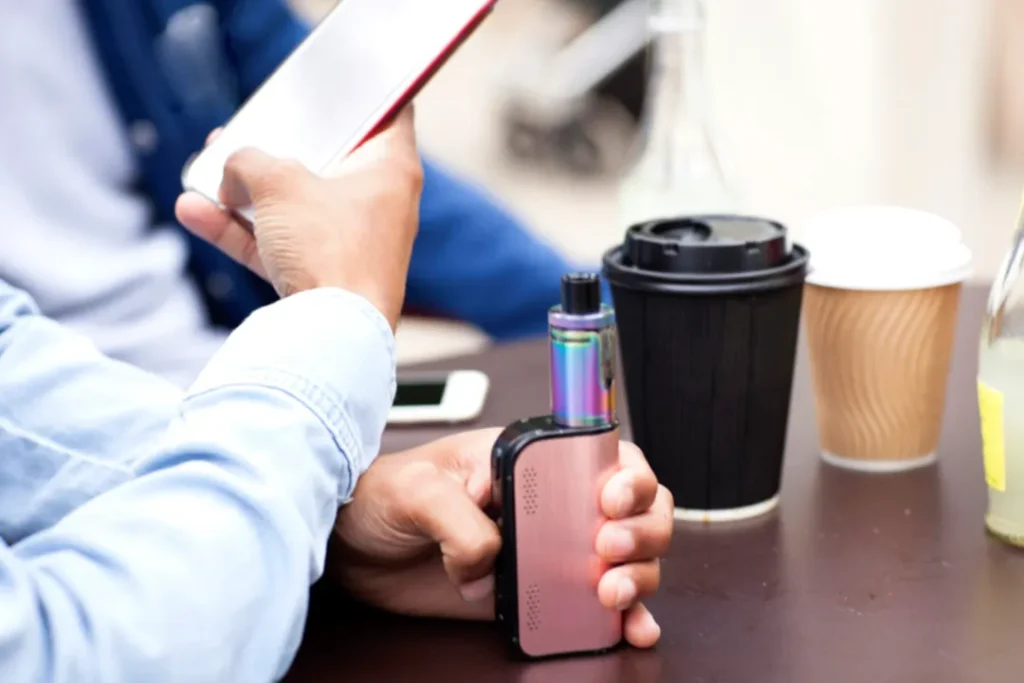
Entering a residential program for substance use is a massive life transition, and the thought of giving up nicotine at the same time can be incredibly daunting. If you rely on cigarettes or electronic devices to manage daily stress, you might be hesitant to enroll in a program without fully understanding its rules. Finding out the specific policies on smoking before you pack your bags can significantly lower your anxiety and help you mentally prepare for the healing journey ahead.
When individuals consider enrolling in an addiction treatment program, one of the most frequent questions is whether they can bring their tobacco products. The reality is that many centers across the nation do permit patients to smoke or vape during their stay. Clinical providers recognize that overcoming a dependency on illicit substances or alcohol is immensely challenging, and forcing a patient to quit nicotine simultaneously can sometimes lead them to abandon their program entirely. Allowing this familiar habit often provides a necessary sense of comfort during a highly vulnerable period of transition.
However, the clinical landscape is gradually shifting, and there is no universal law governing these rules. Some centers operate as entirely tobacco-free campuses to align with broader public health goals, prioritizing total body wellness from the moment you arrive. Other facilities find a middle ground by providing specific accommodations for smokers while offering optional nicotine replacement therapies for those who express a desire to quit. Because guidelines vary drastically from one facility to the next, it is essential to inquire about a center’s specific rules before finalizing the admissions process.
Even if a facility accommodates tobacco use, patients cannot smoke whenever or wherever they please. Programs enforce strict boundaries to ensure the comfort of non-smoking residents and to comply with local health and fire codes. If you enter an addiction treatment center that allows smoking or vaping, you will typically need to follow these strict guidelines:
Designated smoking areas:
Facilities restrict smoking to highly specific outdoor patios or courtyards, and patients are only allowed to visit these spaces during scheduled breaks between therapies.
Indoor smoking bans:
Smoking inside your bedroom, common living spaces, or during group counseling sessions is universally prohibited to ensure fire safety and respect for non-smoking peers.
Vaping device restrictions:
If electronic devices are permitted, patients must bring brand-new, unopened disposable devices or factory-sealed cartridges, as refillable tanks are almost always banned due to tampering risks.
Secure storage protocols:
To prevent theft or trading among peers, clinical staff will often store your approved cartons or vapes in a locked nursing station and dispense them to you at designated times throughout the day.
Violation consequences:
Sneaking cigarettes during restricted times or smoking indoors is taken very seriously and can lead to severe penalties, including a loss of privileges or immediate discharge from the program.
Strict packaging requirements:
You must arrive with fully sealed cartons of cigarettes rather than loose packs, as any open items are typically confiscated during the intake process to prevent outside contraband.

While accommodating smokers can improve patient retention in the short term, a growing number of clinical centers are transitioning toward completely smoke-free environments. This movement is largely driven by a clinical desire to treat the whole person, recognizing that nicotine is a highly addictive chemical that severely impacts cardiovascular and respiratory health. When a person is working incredibly hard to heal their body during medical detox, continuing to inhale toxic chemicals from cigarettes can seriously hinder their physical recovery and overall vitality.
There is also strong evidence suggesting that quitting tobacco can actually improve long-term sobriety outcomes. Integrating tobacco cessation into general substance recovery programs can lead to better overall health and a significantly lower risk of relapse. Addressing all chemical dependencies simultaneously helps patients develop stronger, healthier coping mechanisms to manage their daily stress, rather than simply replacing one crutch with another.

Speak with the team at Detox California to understand your coverage options. We’ll verify your benefits and explain the costs upfront so there are no financial surprises – reach out today.

If you choose a facility that does not allow smoking, or if you decide to use your time in a residential treatment program to quit nicotine entirely, you will not have to suffer through the cravings alone. Medical professionals are highly trained to help you manage the discomfort of nicotine withdrawal alongside your primary recovery goals. They can implement a highly structured tapering plan and prescribe specific tools to make the physical transition as smooth as possible.
We utilize a diverse range of medications to support healing:
Addressing the physical cravings for any substance is only the first step in the recovery journey. To truly achieve lasting wellness, individuals must engage in comprehensive psychological care to uncover the root causes of their dependencies. A high-quality clinical program will seamlessly blend medical stabilization with structured behavioral interventions.
Our approach includes proven therapeutic modalities to help clients reframe thought patterns and manage triggers:
Deciding to seek professional help for a chemical dependency is an incredibly brave decision, and worrying about whether you can bring your cigarettes should not stand in your way. Because every individual’s journey is highly unique, finding a clinical environment that supports your specific physical and emotional needs is crucial. We offer a luxurious, serene coastal setting where you can safely focus on healing your mind and body without unnecessary stress or outside distractions.
Detox California allows smoking and vaping in designated areas. Call today to speak with our admissions team and inquire about Detox California's smoking and vaping policies. Our compassionate staff is ready to answer all your questions, clearly outline our guidelines, and help you prepare for a comfortable transition into our care. Reach out to us today to verify your insurance benefits and take the very first step toward a healthier, brighter future.

As Medical Director at Detox California, Dr. Michael S. Valdez draws on his medical training at UCLA, advanced neurology training at Loma Linda University, and his active membership in the American Society of Addiction Medicine. His background in addiction medicine and dual diagnosis care is grounded in both clinical expertise and personal insight. Dr. Valdez has pioneered innovative detoxification protocols designed to minimize discomfort, enhance safety, and promote long-term recovery.
Yes, there are rehabs that allow smoking. Many residential programs permit cigarettes and some permit vaping, though nearly all restrict when and where you can smoke on the premises.
Finding the right match depends on your biological needs and where you are in the recovery process. A medical provider will review your substance history to recommend the safest option. There is no universally right answer for every single person.
This depends entirely on the specific medication you choose. Some options require you to be completely substance-free for a week or more to avoid sudden illness. Others can be started much sooner to actively relieve your physical pain.
Most injectable treatments are designed to release medication slowly over a full month. There are also newer options available that offer flexible weekly dosing schedules depending on your clinical needs.
Yes, many people transition from daily oral medications to monthly injections once they are physically stable. Your healthcare provider will carefully guide this transition to ensure you remain comfortable and free from cravings.
Most major health insurance plans provide coverage for these vital interventions, as they are considered essential health benefits. Most major plans cover these medications, though formulary tiers and prior authorization requirements vary. Coverage levels also vary by provider, so it is always best to verify your specific benefits before starting a new regimen.
Yes, many insurance plans provide coverage for specific medications used during the detox and early recovery phases. These prescriptions are widely recognized as highly effective tools for managing severe cravings and physical discomfort.
