
Medication-Assisted Treatment (MAT) in California
- Published: August 18, 2026
- Last Updated: October 1, 2026
 Authored By: Josh Hamburg, Chief Executive Officer
 Medically Reviewed By: Dr. Michael S. Valdez, MD, Medical Director



Key Takeaways
- MAT combines FDA-approved medications with counseling to treat opioid and alcohol use disorders.
- Buprenorphine and naltrexone ease withdrawal and cravings without swapping one addiction for another.
- Timing the first buprenorphine dose is critical, and inpatient monitoring prevents precipitated withdrawal.
- Naltrexone treats both opioid and alcohol use disorder but requires 7 to 10 days opioid-free first.
- Naloxone reverses opioid overdose and is available over the counter, vital when tolerance drops.
- Detox California starts MAT under 24/7 supervision, then connects you to continuing outpatient care.
At Detox California, located in the peaceful coastal setting of Dana Point, we provide essential interventions like medication-assisted treatment (MAT) for individuals struggling with substance use disorders. Our facility specializes in the crucial first phases of recovery, combining rigorous medical oversight with an individualized treatment plan tailored to your unique history. For many clients navigating the physical complexities of detoxification, we integrate MAT into our residential treatment programming to ensure maximum safety and comfort. This approach helps stabilize your system so you can focus entirely on healing without the distraction of overwhelming physical distress.
Whether you are facing a severe opioid addiction or struggling to overcome an alcohol use disorder, our clinical team is fully equipped to help you safely transition into sobriety. We are licensed and certified by the Department of Health Care Services (DHCS) to deliver high-quality care during your inpatient stay. Our primary goal is to stabilize your physical health and address any immediate medical concerns so you can fully engage in the life-changing therapeutic aspects of your recovery journey.
What Is Medication-Assisted Treatment?
Before exploring the specific clinical programs we offer at our facility, it helps to know what medication-assisted treatment actually entails. This clinical approach combines FDA-approved medications with structured counseling and behavioral therapies to safely treat substance abuse. According to guidelines from the Substance Abuse and Mental Health Services Administration (SAMHSA), this integrated approach is highly effective in sustaining recovery, improving patient survival rates, and preventing fatal overdose. It recognizes that dependency is a complex neurological condition that requires a supportive medical response.
The medications for addiction treatment are not designed to simply substitute one substance for another, which is a common misconception. Instead, they work at the neurological level to normalize brain chemistry, block the euphoric effects of illicit drugs, relieve severe withdrawal symptoms, and manage the intense cravings that frequently lead to relapse. By easing the severe physical distress of early recovery, clients gain the emotional stability and mental clarity needed to participate meaningfully in psychotherapy and build essential lifelong coping skills.
MAT for Opioid Use Disorder
The ongoing opioid crisis has devastated countless communities and families, making effective interventions more critical than ever. For individuals diagnosed with an opioid use disorder, commonly known as OUD, quitting abruptly can lead to excruciating physical pain and a high risk of immediate relapse. Treating a severe dependence on prescription painkillers, heroin, or fentanyl requires a highly structured clinical approach to safely manage the central nervous system’s chaotic response to sudden drug cessation. Without pharmacological support, the body’s reaction to withdrawal can be entirely overwhelming and deeply traumatizing. Our pharmacological tools include:
- Buprenorphine: a partial opioid agonist that significantly mitigates withdrawal discomfort and reduces cravings without producing a euphoric high.
- Suboxone: a combination medication containing both a partial agonist and an antagonist (buprenorphine and naloxone) to actively discourage misuse during the recovery process.
- Methadone: a full opioid agonist typically dispensed in specialized clinical settings to manage severe dependencies and maintain physical stability over time.
- Naltrexone: an opioid antagonist that blocks the sedative and euphoric effects of narcotics to prevent relapse; requires being 7-10 days opioid-free before starting.
- Vivitrol: an extended-release, injectable form of naltrexone that provides long-lasting, monthly protection against drug misuse.
- Naloxone: a life-saving medication used by first responders and civilians to rapidly reverse an active overdose in critical emergency situations.
Naloxone is not a treatment for opioid use disorder, but it belongs in every conversation about one. It's an opioid antagonist that rapidly reverses an overdose by displacing opioids from the receptors that suppress breathing, and it works only on opioids. It does nothing for a stimulant or alcohol overdose.
Naloxone nasal spray is now available over the counter without a prescription, and we encourage every client and family member to keep it on hand, particularly during the period after treatment when tolerance has dropped and overdose risk is highest. One important caveat: naloxone wears off faster than most opioids, and with fentanyl, a second dose is often needed. Always call 911 first, and stay with the person until help arrives.
MAT for Alcohol Use Disorder
Medication-assisted approaches are equally vital for individuals suffering from an alcohol use disorder, sometimes referred to as AUD. When a person stops drinking after years of prolonged heavy use, their body can go into a state of severe physiological shock. A specialized alcohol detox uses specific medications to prevent life-threatening complications like seizures or delirium tremens while simultaneously addressing the intense psychological urge to continue drinking. Medical supervision during this window is non-negotiable for ensuring patient survival and comfort. The pharmacological treatments we use include:
- Acamprosate: a prescription used to restore the natural chemical balance in the brain following years of chronic, long-term drinking.
- Disulfiram: a medication that produces severe physical discomfort if alcohol is consumed, acting as a powerful psychological and physical deterrent.
Naltrexone is also one of the most widely used FDA-approved medications for alcohol use disorder. The same medication treats both opioid and alcohol dependence, which makes it especially useful for clients facing both. It works by blocking the opioid receptors involved in alcohol’s rewarding effects, so drinking produces less of the reinforcement that drives the next drink, and cravings tend to quiet down.
Unlike disulfiram, it causes no aversive reaction and doesn’t depend on the fear of getting sick to work. It’s taken either as a daily tablet or as a monthly injection (Vivitrol). Because it doesn’t require complete abstinence to begin, it’s often used to reduce heavy drinking days as a step toward sobriety. The one firm requirement is that you must be free of opioids for roughly seven to ten days before starting, since naltrexone will otherwise trigger precipitated withdrawal. This is a big reason you should begin it under medical supervision.
Verify Your Insurance Today
Speak with the team at Detox California to understand your coverage options. We’ll verify your benefits and explain the costs upfront so there are no financial surprises – reach out today.

What MAT Looks Like at Detox California
Detox California’s role in medication-assisted treatment is the beginning of it: getting you safely started on the right medication under continuous supervision at our Dana Point and Laguna Beach facilities, then connecting you to continuing care through our network of outpatient providers across California. That first step matters more than most people realize. Buprenorphine cannot be started while opioids are still active in your system, and taking it too early triggers precipitated withdrawal, which feels considerably worse than the withdrawal you were trying to escape. Fear of exactly that is why many people abandon an attempt at home. Our clinical team uses standardized symptom scoring to time your first dose, with nursing staff on site around the clock. The same care applies to alcohol withdrawal, which is managed on a supervised protocol because it can escalate to seizures or delirium tremens, and to naltrexone, which requires a clear opioid-free window before it is safe to begin.
Integrating Behavioral Therapies With MAT
While medications provide crucial physical stabilization during early recovery, true healing requires addressing the deep psychological and emotional roots of addiction. Our facility seamlessly integrates clinical therapies with rigorous medical care to ensure a cohesive approach to holistic wellness. According to the National Institute of Mental Health (NIMH), combining pharmacological support with structured talk therapy yields the highest chances of long-term success for any SUD. By participating in a diverse variety of therapeutic modalities, clients learn how to navigate life’s inevitable stressors without relying on illicit substances for relief. Our therapies include:
- Cognitive-Behavioral Therapy: an approach that helps clients identify and deliberately alter the negative thought patterns driving their destructive behavior.
- Dialectical Behavior Therapy: a structured therapy that focuses on emotional regulation, mindfulness, and distress tolerance.
- Group Therapy: collaborative sessions that foster empathy, accountability, and essential peer support among individuals navigating the same recovery journey.
- Family Therapy: dedicated sessions designed to strengthen communication, repair trust, and build understanding between clients and their loved ones.
Accessibility and Coordination of Care
Navigating the complex healthcare system can feel entirely overwhelming when you’re desperately seeking help for a dependence. State and federal initiatives, such as the State Opioid Response (SOR) grant, have expanded access to life-saving treatments and educational resources across the region. Additionally, modern options like telehealth have made it significantly easier for individuals to consult with clinical providers and receive ongoing care without the heavy burden of constant travel or scheduling conflicts.
We strive to make the initial admissions process as seamless and stress-free as possible for every family. Our team can help you look at your coverage options, including exploring benefits through private insurance networks or federal programs like Medicare, to ensure you receive the level of care necessary for a truly successful recovery.
Evidence-Based MAT Care, Backed by Heart
At Detox California, we combine the science of evidence-based treatment with the warmth of a team that truly cares. Inhalant addiction is complex, but you don’t have to face it alone. From medically supervised detox to immersive therapy in a peaceful, coastal setting, we’re here to guide you every step of the way. If you’re ready to take the first step toward healing, reach out today. Your recovery begins with a single, compassionate conversation.
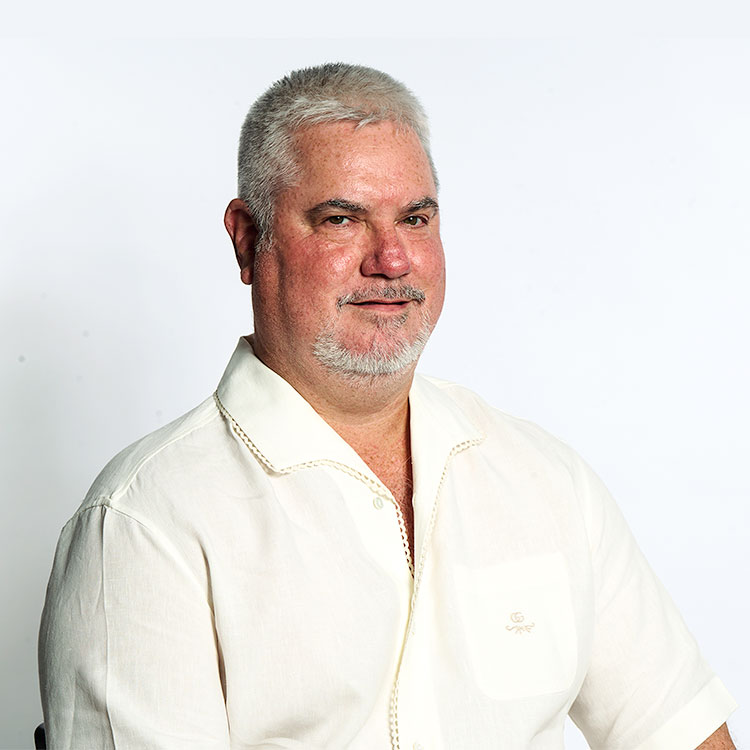
As Medical Director at Detox California, Dr. Michael S. Valdez draws on his medical training at UCLA, advanced neurology training at Loma Linda University, and his active membership in the American Society of Addiction Medicine. His background in addiction medicine and dual diagnosis care is grounded in both clinical expertise and personal insight. Dr. Valdez has pioneered innovative detoxification protocols designed to minimize discomfort, enhance safety, and promote long-term recovery.
FAQs About Medication-Assisted Treatment
What exactly is medication-assisted treatment?
This clinical approach combines medications with counseling and behavioral therapies to treat substance use disorders. It's a highly effective way to manage physical withdrawal symptoms while providing the emotional support needed for lasting sobriety.
Can medications cure an opioid addiction?
No medication can cure an addiction on its own. However, these tools are highly effective at managing cravings and physical dependence so you can actively participate in the necessary psychological healing.
Is buprenorphine safe to use during recovery?
Yes, when prescribed and monitored by a medical professional, it's a very safe and effective tool. It is an FDA-approved medication specifically designed to help people manage their withdrawal symptoms without experiencing a dangerous high.
How long will I need to take these medications?
The duration of pharmacological support depends entirely on your individualized treatment plan and unique medical history. Some individuals taper off after a few months, while others may require long-term maintenance for continued stability.
Do you offer outpatient medication management?
We focus strictly on inpatient stabilization and medically supervised detoxification at our facility. However, our case managers will help coordinate your transition to an outpatient provider who can continue prescribing your necessary medications.
Are these programs covered by insurance?
Most major insurance plans, including many Medicare policies, provide coverage for these critical interventions. Our admissions team can quickly verify your specific benefits and explain any potential out-of-pocket costs before you begin.