



Key Takeaways:
- Ambien withdrawal can begin within hours because zolpidem is a short-acting medication.
- Symptoms are often strongest during the first several days and may ease over the next week or two.
- Rebound insomnia is common and can make it very tempting to start taking Ambien again.
- Physical dependence can happen even when you take Ambien exactly as prescribed.
- Seizures are rare but possible, so abruptly stopping Ambien without medical guidance isn’t recommended.
- A medically supervised taper can make stopping Ambien safer and more manageable.
Not being able to sleep can make you desperate pretty quickly. So when your doctor gives you something that finally works, taking it every night may not feel like a particularly big deal.
Until you try not to.
Maybe you missed a dose and spent the entire night staring at the ceiling. Or you decided you didn’t want to take Ambien anymore and discovered that stopping was a lot harder than you expected. That doesn’t automatically mean you’re addicted. Your body can become physically dependent on zolpidem even when you’ve been taking it exactly as prescribed.
Ambien is a Z-drug, not a benzodiazepine, but the two affect the brain in similar ways. That’s one reason Ambien withdrawal can involve more than trouble sleeping and why suddenly stopping after your body has become dependent on it can carry risks.
And if your biggest fear is that you’ll never sleep normally without it again, rebound insomnia can make that feel very real. Those first sleepless nights, though, aren’t necessarily a picture of what sleep without Ambien will eventually look like.
What Ambien Withdrawal Is and Why It Happens
Ambien withdrawal happens when your brain has gotten used to having zolpidem around and then suddenly has to function without it. That can happen after regular use, even if you never took more than you were prescribed.
Ambien belongs to a group of medications commonly called Z-drugs. It isn’t a benzodiazepine, but it affects the same calming GABA system in the brain. Over time, your brain can adjust to Ambien doing some of that work for it. Take the medication away too quickly, and those adjustments don’t disappear overnight.
That’s where withdrawal comes in. Your nervous system can temporarily swing in the other direction, making sleep harder and leaving you feeling pretty lousy while your body adjusts.
And this distinction matters: physical dependence is not the same thing as addiction. Dependence means your body has adapted to a medication and reacts when you stop taking it. Addiction involves a different pattern of compulsive use despite harmful consequences.
You can become dependent on Ambien while following your prescription exactly. Withdrawal isn’t proof that you did something wrong.
Ambien Withdrawal Symptoms, From Mild to Serious
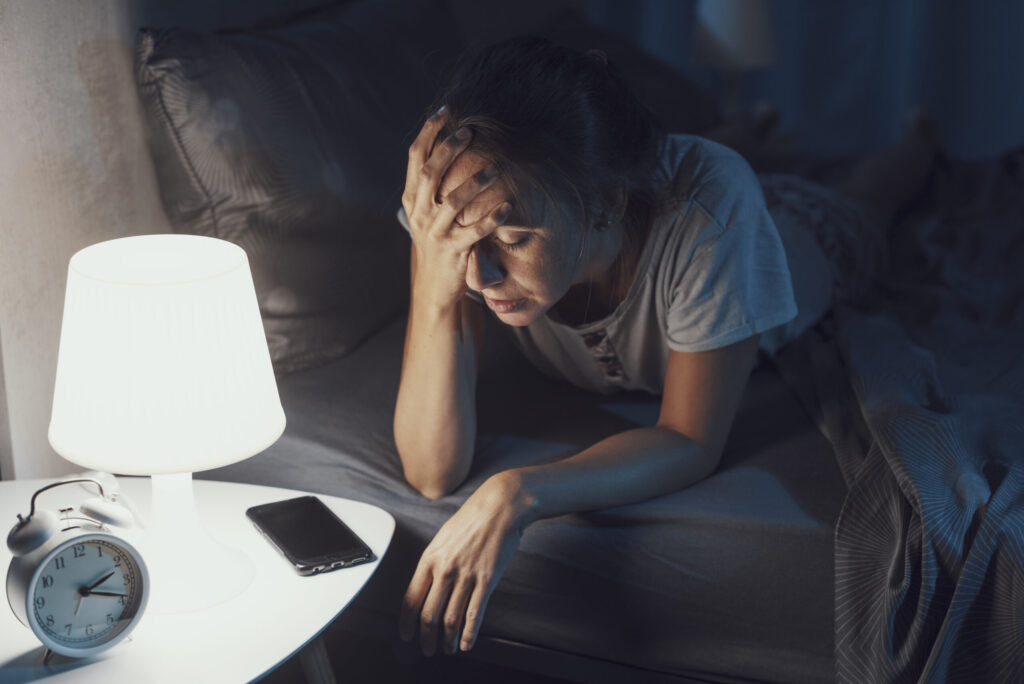
The first sign of Ambien withdrawal may be painfully obvious: you can’t sleep. Maybe you miss a dose, and suddenly you’re wide awake at 2 a.m., wondering how you ever slept without it. That rebound insomnia can be intense, and it’s often what makes people reach for Ambien again.
But sleep isn’t the only thing that can feel off. Your nervous system is adjusting too, and you may find yourself more anxious or irritable than usual. After spending half the night awake, you’re probably exhausted on top of it. Withdrawal can also show up physically, sometimes as an upset stomach or a shakiness that’s hard to ignore.
And then there’s bedtime. If you’ve taken Ambien every night for months or years, getting into bed without it can feel unsettling all by itself. Wanting to take the medication again in that moment doesn’t necessarily mean you’re addicted. You’re tired, you know what makes you sleep, and your brain remembers that too.
Most withdrawal symptoms are uncomfortable rather than dangerous, but there are exceptions. Confusion, hallucinations, panic attacks, and, rarely, seizures can occur. That seizure risk is why abruptly stopping Ambien without medical guidance isn’t recommended, especially after long-term or higher-dose use. If you develop severe symptoms, call 911 or seek emergency medical care. For immediate crisis support, call or text 988.
Why Combining Ambien With Alcohol Raises the Risk
If you sometimes have a drink with your Ambien, this is something your doctor needs to know before you stop. There’s no judgment attached to that information. It changes what withdrawal may look like and how safely it should be managed.
Alcohol and Ambien both slow the central nervous system, so taking them together can intensify their effects. And if your body has become dependent on both, suddenly removing them can make withdrawal more dangerous.
The Ambien Withdrawal Timeline, Hour by Hour
Ambien withdrawal can start surprisingly quickly. Because zolpidem is short-acting, some people begin noticing symptoms the same night they miss a dose. From there, symptoms often get stronger over the next several days before gradually easing.
First 6 to 12 hours: This may be when you first realize something is different. Sleep can become difficult almost immediately, especially if your body has gotten used to taking Ambien every night.
Days 1 to 5: Withdrawal symptoms often become more noticeable during the first few days. Rebound insomnia may be especially rough during this period, and the lack of sleep can make everything else feel harder to deal with.
Weeks 1 to 2: For many people, the acute physical symptoms begin settling down. Sleep may still be uneven, though, and that can be frustrating when you expected to feel “normal” as soon as the medication was out of your system.
After the first couple of weeks: Some people continue having trouble sleeping or feeling emotionally off after the more immediate withdrawal symptoms have passed. There isn’t one reliable date when everyone suddenly feels better.
Your Ambien withdrawal timeline depends on things like how long you’ve taken zolpidem and the dose your body has become accustomed to. Much of what’s known comes from case reports, and people who took higher doses tend to have more intense withdrawal. Alcohol or other sedatives can change the picture too.
So use the timeline as a general map, not a countdown clock. Your own experience may move faster or slower than someone else’s.
Rebound Insomnia and Why It Sends People Back
Rebound insomnia is when your sleep temporarily gets worse after stopping Ambien, sometimes worse than it was before you started taking it. And when you’re lying awake night after night, temporary may not feel very temporary.
It can really mess with your head. You stopped taking Ambien, you suddenly can’t sleep, and the obvious conclusion is that you need the medication. Maybe you even start wondering whether you’ve permanently lost the ability to fall asleep on your own.
But that rough stretch of sleep can be part of withdrawal. Your brain adapted to falling asleep with zolpidem in your system, and it needs time to adjust when the medication is removed. Rebound insomnia doesn’t necessarily tell you what your sleep will look like once that adjustment has happened.
This is also why going back to Ambien can feel incredibly tempting. At three in the morning, you’re probably not thinking about physical dependence or how GABA receptors work. You just want to sleep. And you already know there’s something in the medicine cabinet that can help you do it.
Rebound insomnia can be managed with medical support, and for most people it improves with time. If fear of not sleeping is what keeps pulling you back to Ambien, that’s worth telling your doctor. Getting through withdrawal shouldn’t have to become a nightly test of how long you can stand being awake.
Tapering, Medical Detox, and Stopping Ambien Safely
If your body has become dependent on Ambien, stopping all at once usually isn’t the safest way to get off it. A doctor may recommend gradually reducing the medication instead, giving your brain and body more time to adjust as the amount of zolpidem in your system comes down.
There isn’t one Ambien taper that works for everybody. How slowly the medication should be reduced depends on your individual situation, which is why this is something to work out with a prescriber rather than trying to build your own schedule online.
For some people, medical detox makes more sense. At Detox California, that means having 24-hour medical supervision while you’re coming off Ambien, with medication management when appropriate. Your treatment team can also watch for more serious withdrawal symptoms, including seizures.
And there’s something to be said for not doing this alone at three in the morning. If you haven’t slept and every part of you wants to take another Ambien, having support around you can make that moment a lot less overwhelming.
Be completely open about anything else you’ve been taking, too. Alcohol or other sedating medications can change what stopping Ambien safely looks like, and your medical team needs that information to make the right decisions with you.
The goal isn’t to see how much withdrawal you can tolerate. It’s to get you off Ambien as safely as possible.
Sleeping Again Without Ambien
Yes, sleep can get better after Ambien. But your first few nights without it are a terrible time to judge what sleeping without medication is going to be like long term.
Once the worst of the rebound insomnia settles, there may still be work to do. After all, there was probably a reason you were prescribed Ambien in the first place. Simply getting the medication out of your system doesn’t necessarily address the insomnia that was already there.
Cognitive behavioral therapy for insomnia, or CBT-I, can help you change some of the patterns that keep sleep difficult without relying on medication. It’s considered a first-line treatment for chronic insomnia and focuses specifically on the thoughts and behaviors surrounding sleep.
Other things can support that process without pretending there’s a magic bedtime routine that fixes insomnia. Moving your body during the day can help when you’ve spent half the night restless, and learning how to actually slow down again matters too. At Detox California, things like yoga and meditation can become part of that process. Even having somewhere quiet and supportive to be while your sleep is all over the place can make those first nights a little easier to face.
Learning to sleep without Ambien can take some patience. A bad night, or even a string of them, doesn’t necessarily mean you’re back where you started.
Come Off Ambien With Medical Support at Detox California
Maybe you never thought you’d need help getting off Ambien. You had trouble sleeping, you got a prescription, and you took something that helped. There doesn’t have to be some dramatic story behind how you got here.
But if you’ve tried to stop and can’t get through the withdrawal or rebound insomnia, you don’t have to keep repeating that cycle by yourself.
Detox California provides medical detox for adults 18 and older at our Dana Point and Laguna Beach locations. You’ll have 24-hour medical supervision, with medication management available when appropriate. And when three in the morning rolls around and you’re wide awake again, you won’t be the only person there dealing with it.
You can also verify your insurance benefits for free, usually the same day, without committing to treatment.
You followed a prescription and your body adapted to it. If you need help getting to the other side of that, it’s okay to get it.
FAQs About Ambien Withdrawal
How long does Ambien withdrawal last?
Acute withdrawal symptoms often begin within hours, become more intense during the first several days, and start easing over the next week or two. Sleep problems can hang around longer. Your timeline may be different depending on how long you’ve taken Ambien, your dose, and other medications or substances involved.
Can you have a seizure from stopping Ambien?
Yes, although seizures from Ambien withdrawal are rare. The risk is one reason you shouldn’t suddenly stop taking Ambien without talking to a medical professional, particularly after long-term or higher-dose use. Seek emergency medical care for a seizure or other severe withdrawal symptoms.
Is Ambien withdrawal the same as benzo withdrawal?
No, although there are similarities. Ambien is a Z-drug rather than a benzodiazepine, but both affect GABA activity in the brain. Because of that overlap, some withdrawal symptoms can look similar.
Will my insomnia ever go back to normal after stopping Ambien?
For many people, sleep improves as the brain and body adjust to being without Ambien. Rebound insomnia can make the beginning particularly rough, and your original sleep problems may still need attention afterward. CBT-I is an evidence-based treatment for chronic insomnia that doesn’t rely on sleep medication.
Am I addicted to Ambien if I get withdrawal symptoms?
No. Withdrawal means your body has become physically dependent on Ambien, which isn’t automatically the same as addiction. Physical dependence can happen even when you’ve taken zolpidem exactly as prescribed.
Can I taper off Ambien at home?
Possibly, but that’s a decision to make with your prescriber. Your dose, how long you’ve taken Ambien, and whether alcohol or other sedatives are involved can affect how safely you can taper. Don’t create your own tapering schedule or abruptly stop Ambien without medical guidance.